
Is South Africa at risk of becoming a failed State?
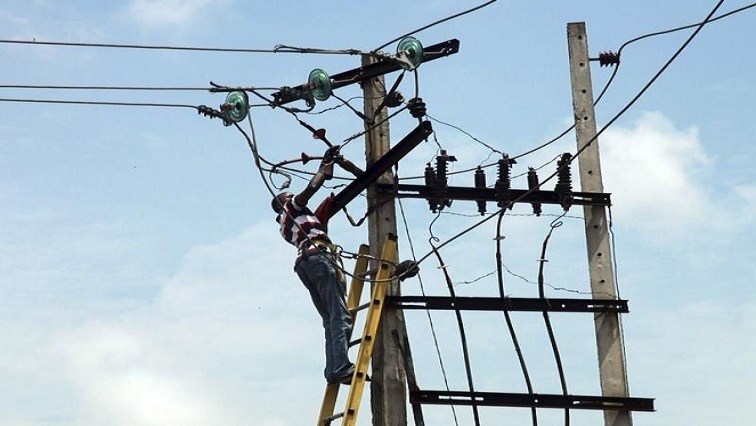
Business leaders are expressing deep concerns that South Africa is at risk of becoming a failed state, highlighting a growing realization that relying on the African National Congress (ANC) to govern the country is untenable. Despite initial optimism when Cyril Ramaphosa assumed the presidency in 2018, CEOs from various industries, including mining, banking, and telecommunications, are now sounding alarms about the country's future. Escalating challenges such as power blackouts by Eskom, surpassing previous records, and a weakening rand have fueled worries among business leaders. Load shedding has been estimated to have led to a reduction in GDP of 7%–8%, and the cost of diesel for generators at the large supermarket chains has cut profits by 7%. Mines have lost approximately a third of total exports totaling 300 billion Rand due to the failures at Transnet, resulting in the mines being unable to get their goods out of the country. Transnet now moves the lowest amount of freight by rail since the 1940's. Theft of cable at Eskom and Transnet costs the South African taxpayer approximately R50 billion per year.
The inability of President Ramaphosa to address critical issues like power supply, logistics, and crime has led CEOs to doubt his capacity to resolve these problems. Businesses are actively seeking alternatives to the failing public sector, resorting to private healthcare, education, and security services. The longstanding ties between big business and the government, dating back to the pre-1994 era, have contributed to a lack of competitive pressure.
Current crises, including frequent power cuts, corruption allegations affecting state-owned entities like Eskom and Transnet, and escalating crime rates, have prompted CEOs to take unprecedented actions. Business leaders are deploying their staff to government departments, attempting to address issues such as bureaucratic inertia and corruption. The private sector is forming parallel institutions, like the Resource Mobilisation Fund, to fund external consultants for reforms.
However, critics argue that organized business, until recently, exhibited a form of Stockholm syndrome by covering up for a failing president. Business leaders are urged to communicate openly with the public about the severity of South Africa's crisis. Despite concerns, South Africans express more trust in business than in the government, media, or non-governmental organizations. Calls for a new "social contract" involving top CEOs, unions, and NGOs highlight the need for a collaborative approach to address the country's political and economic challenges. The ongoing dialogue between business leaders and political figures indicates a recognition of the interconnectedness of the private sector and the nation's overall well-being, emphasizing the need for collective action to steer South Africa away from its current downward trajectory.